
Census Bureau’s Way of Counting of Prisoners Erodes “One Person, One Vote”
https://www.usatoday.com/in-depth/news/politics/2021/10/20/wisconsin-voting-districts-skew-power-small-prison-towns/8536983002/

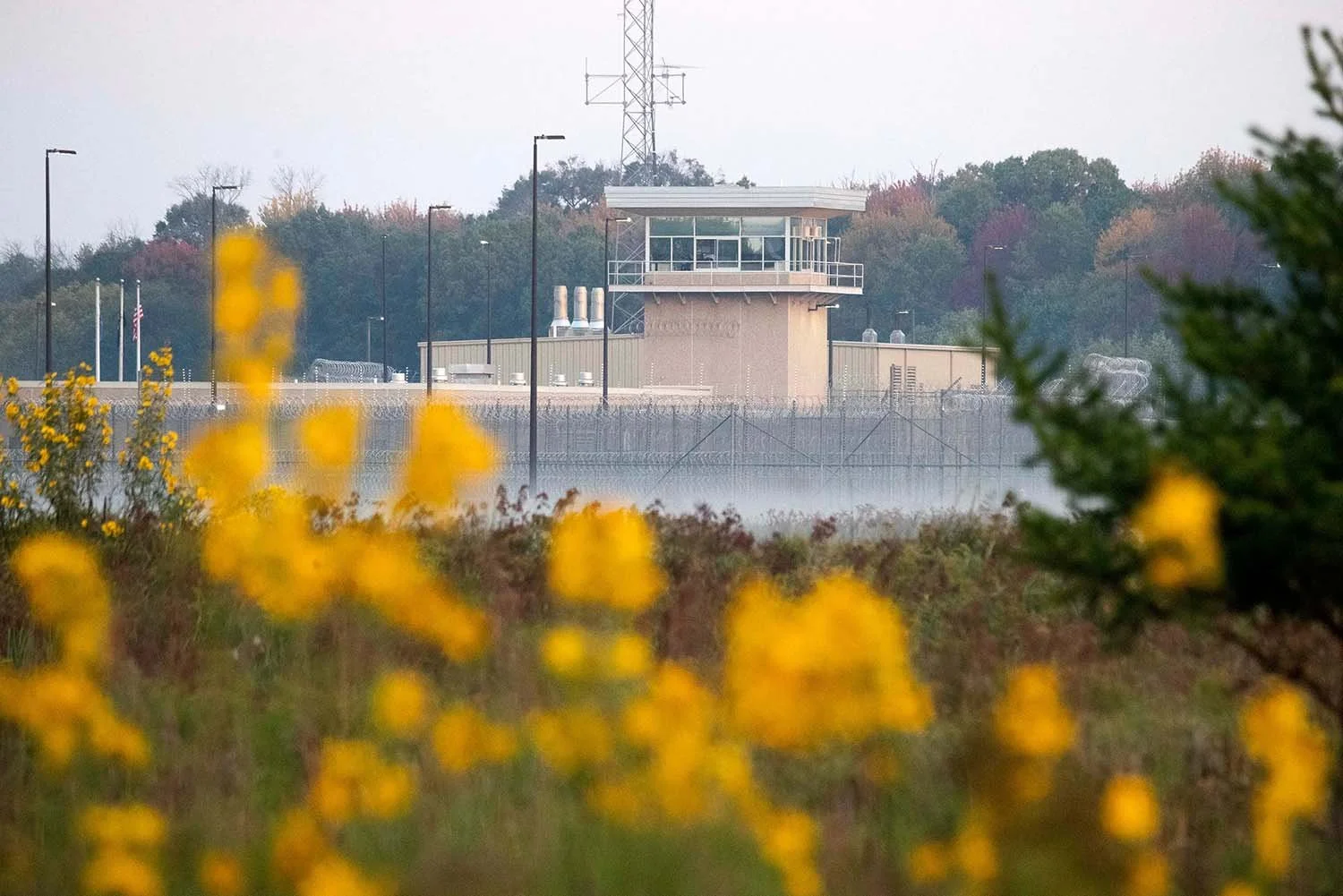
Since its first count in 1790, the Census Bureau has counted incarcerated people as residents of wherever they’re incarcerated at the time of the census — as opposed to where they call home — even though in 48 of 50 states, they cannot vote in that community, or anywhere. In effect, this transfers each prisoner’s vote to another voter in the district, undermining the "one person, one vote" principle of American democracy.

Why New York is Releasing So Few Inmates During the Pandemic
Since the coronavirus pandemic began, New York State has granted early release to 1400 inmates, all of them non-violent offenders. But thousands of elderly prisoners aren’t being considered for release, because they are in for violent crimes - even if they’ve served decades of their sentence and studies show that they are unlikely to re-offend. For now, it appears that advocating for the early release of these inmates is a stance even liberal politicians like Governor Andrew Cuomo are reluctant to take.

Since the coronavirus pandemic began, New York State has released 1400 inmates, all of them non-violent offenders. But thousands of elderly people aren’t being considered for release, despite having served decades of their sentences, because they are in for violent crimes. Studies show that these inmates are unlikely to re-offend, but granting them early release is a step even liberal politicians like Governor Andrew Cuomo are reluctant to take.
Don't Count on the Census
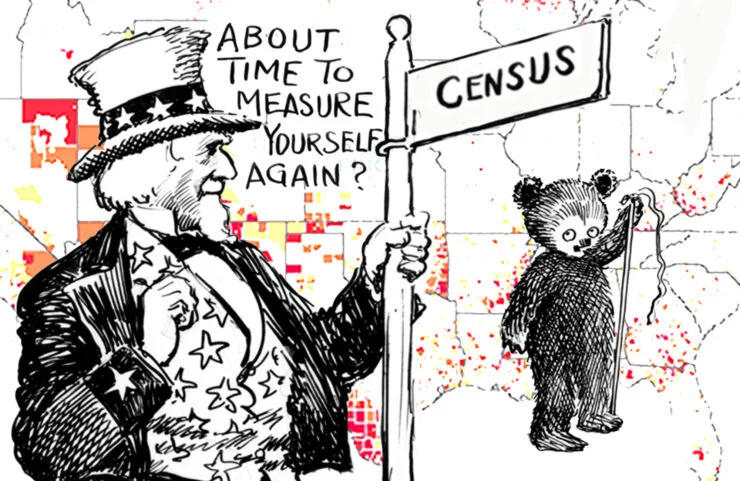
The results of the 2020 federal census will have a huge impact on the country over the next ten years - but in Wisconsin, mass incarceration of African-Americans is skewing the count. In a practice known as “prison gerrymandering”, inmates are counted in the district where they are imprisoned instead of the place they call home. This has the effect of shifting political power away from urban black communities and giving disproportionate representation to certain rural white populations.

When the Census Bureau comes around this April, it will be counting nearly two million people in the wrong place: in the place where they are incarcerated, not where they call home. What started as a quirk in the way we count people behind bars now serves to reinforce some of our country's ugliest racial and political dynamics. This practice, called "prison gerrymandering," happens all over the country, but some of the most dramatic examples are playing out in Wisconsin, where as a result political power gets diluted in urban black communities and concentrated in rural white communities where prisons are built.
Why Don't More People Vote In This Neighborhood?
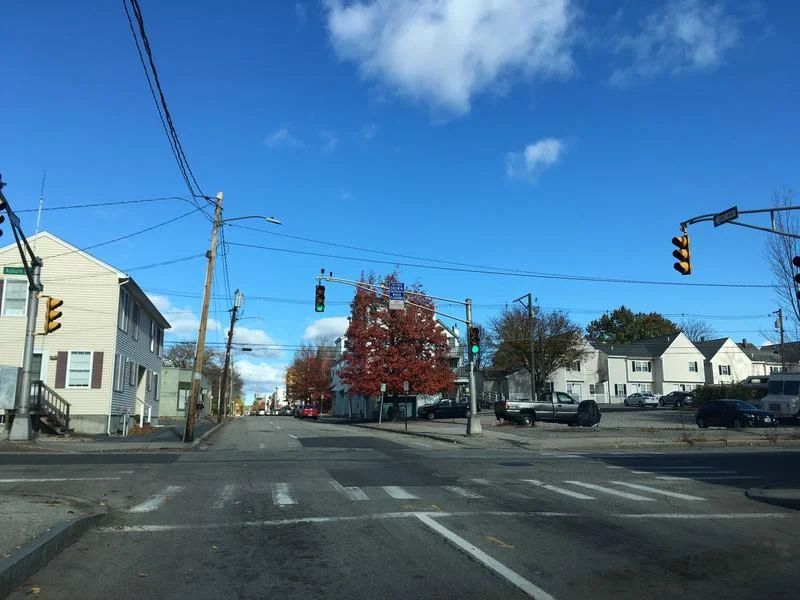
This Tuesday, millions of people across the country will head to the polls to cast their votes and help decide who should hold our nation’s highest offices. But there will also be millions of people who won't go to the polls. In fact, four out of 10 adults in the U.S. do not vote - and they have their reasons, too.
This Tuesday, millions of people across the country will head to the polls to cast their votes and help decide who should hold our nation’s highest offices. But there will also be millions of people who won't go to the polls. In fact, four out of 10 adults in the U.S. do not vote - and they have their reasons, too.
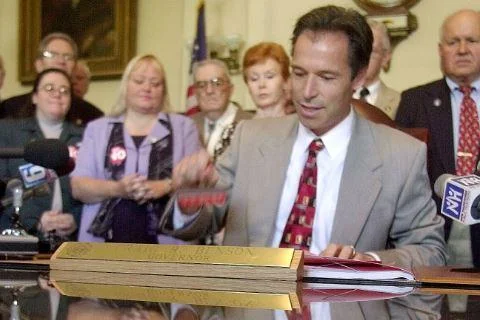
How Much Can New Hampshire's Governor Actually Do? Not Much.
New Hampshire voters had the biggest field of candidates for governor to consider in 20 years--seven people wanted the job. But how much can a New Hampshire governor actually do, anyway?
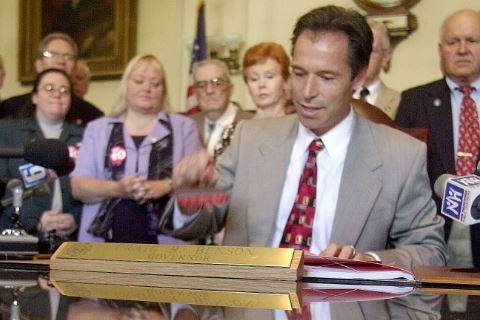
New Hampshire voters had the biggest field of candidates for governor to consider in 20 years--seven people wanted the job. But how much can a New Hampshire governor actually do, anyway? As it turns out, if you’re governor of New Hampshire, you’ve been handed a pretty raw deal.
Diary of a Down-Ballot Race
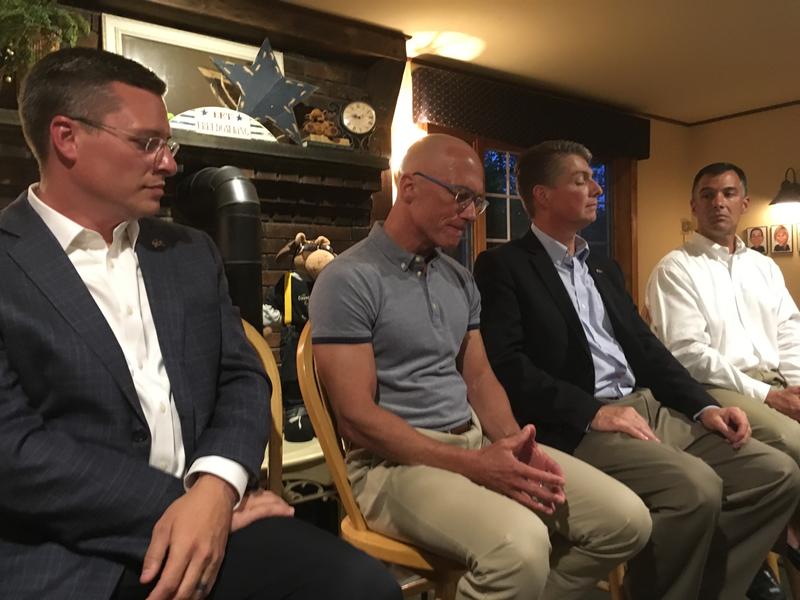
Republican State Senator Nancy Stiles sits in her favorite Portsmouth coffee shop, wearing a summer dress and a necklace of big yellow beads. After serving three terms in Concord representing District 24, she’s decided to step down: time to give someone else a turn. Within weeks of Stiles’ retirement, a quartet of eager Republicans stepped in the race to replace her.

July 20, 3:36 pm. Republican State Senator Nancy Stiles sits in her favorite Portsmouth coffee shop, wearing a summer dress and a necklace of big yellow beads. After serving three terms in Concord representing District 24, she’s decided to step down: time to give someone else a turn. Within weeks of Stiles’ retirement, a quartet of eager Republicans stepped in the race to replace her.
Stiles looks up over a half-eaten piece of cake and makes a wish. “I’m hoping the campaign doesn’t get overly nasty,” she sighs.
Then, a prediction: “But I think it’s going to, unfortunately.”
***
Stiles’ words — and what’s played out since — says a lot about the state of politics in New Hampshire in 2016.
In a year when campaign spending seems to have no limits and the tone of the presidential race can only be out-uglied by the tone of voters disparaging them, this little legislative district on the Seacoast is a kind of political petri dish.
CONTINUE READING:
https://www.nhpr.org/post/diary-down-ballot-race-primary-day-looming-things-get-testy-district-24
How a Few Lines on a Map Hold So Much Power in New Hampshire Politics
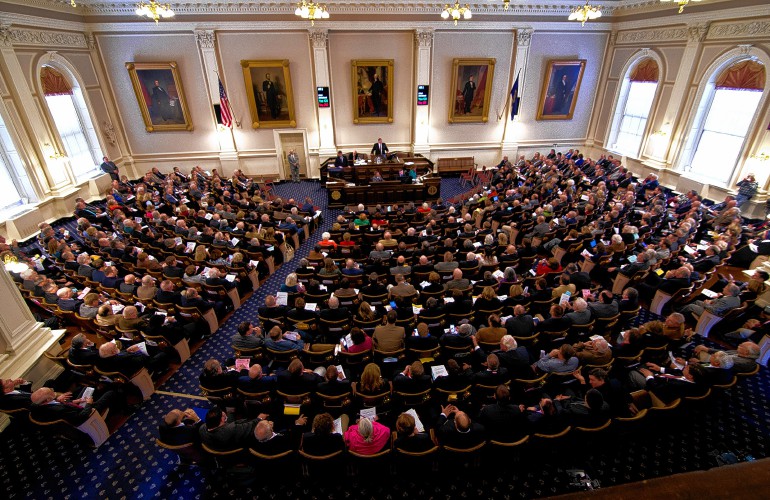
Democrats are having success like never before, scoring wins that would have been unimaginable just two decades ago. But despite that shift, there’s one place where Republicans still have a leg up on Election Day: the state Legislature. And there’s a reason for this, an invisible force that drives everything in politics, that you probably won’t hear mentioned on the campaign trail: redistricting.
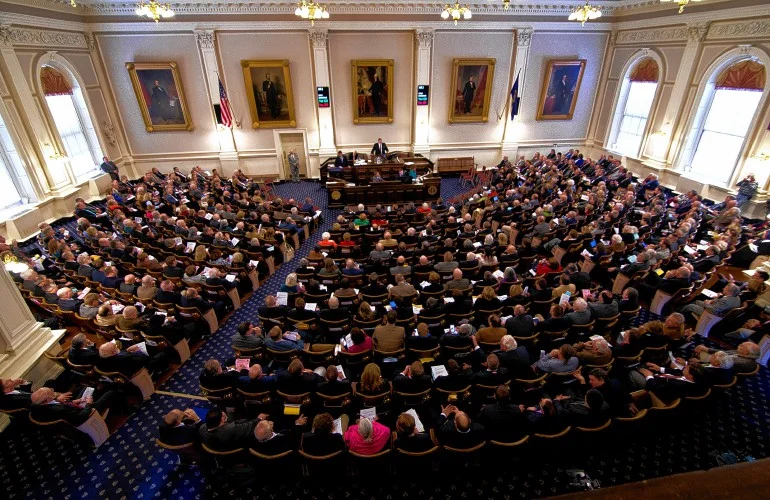
Here’s a confusing reality about New Hampshire politics today: Democrats are having success like never before, scoring wins that would have been unimaginable just two decades ago. But despite that shift, there’s one place where Republicans still have a leg up on Election Day: the state Legislature. And there’s a reason for this, an invisible force that drives everything in politics, that you probably won’t hear mentioned on the campaign trail: redistricting.

In Face Of Immigration Rhetoric, Latinos Grapple With Having A Voice
Olmer Villavicencio talks to his daughter, Jocelyn, about what he's struggling with. These days, that’s how to get his neighbors to see their voice matters this election. Olmer's not an organizer or a politician. He's a guy who knows everybody and, living in New Hampshire, has a front-row seat to the presidential race. He says it's just about getting fellow Latinos to see it that way.

Olmer Villavicencio talks to his daughter, Jocelyn, about what he's struggling with. These days, that’s how to get his neighbors to see their voice matters this election. Olmer's not an organizer or a politician. He's a guy who knows everybody and, living in New Hampshire, has a front-row seat to the presidential race. He says it's just about getting fellow Latinos to see it that way.